

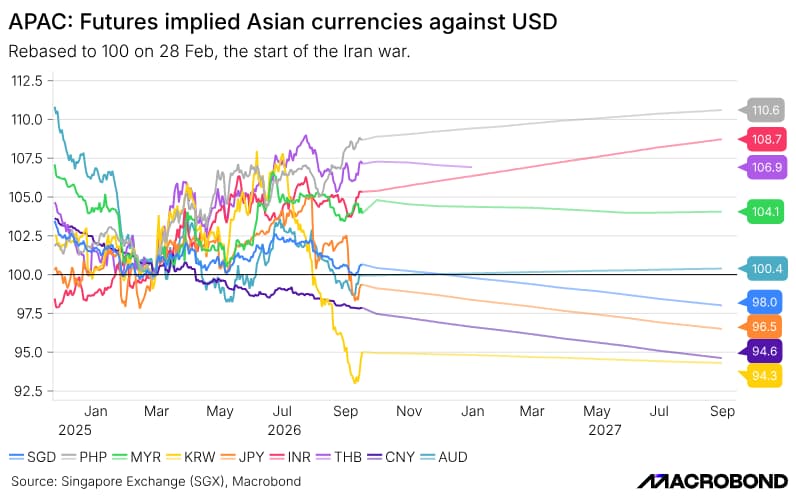
How did the February 2026 Strait of Hormuz closure affect APAC economies? Explore rising energy costs, producer prices and currency pressure across 10 markets—and why an AI export boom masked the impact.
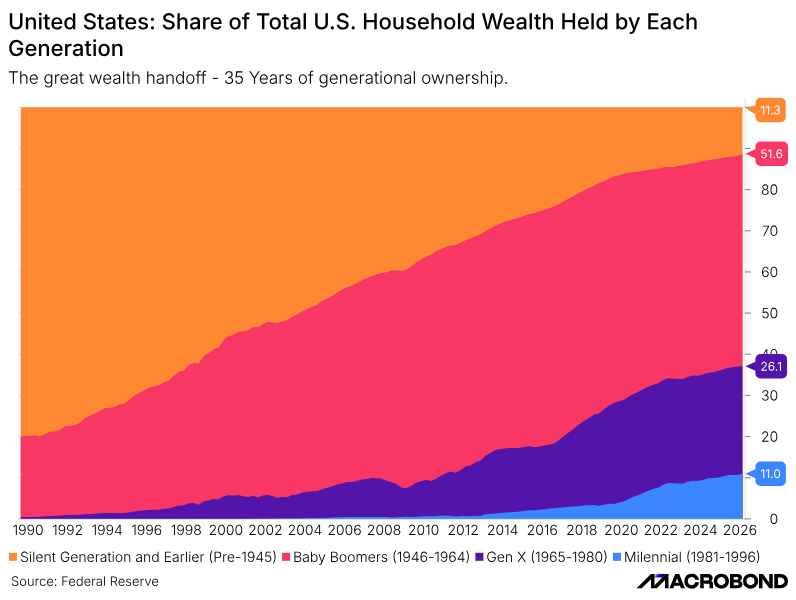
This edition of Macro Trends examines the roots of the K-shaped U.S. economy, where strong headline growth and market performance can mask sharply different experiences across households. The analysis traces today’s divide through decades of data on productivity and real wages, the rising cost of necessities, consumer confidence, wealth concentration and asset ownership. It explores why gains from economic and equity market growth have accrued unevenly across income, wealth and generational groups—and how these structural differences help explain the widening gap between market performance and household sentiment.
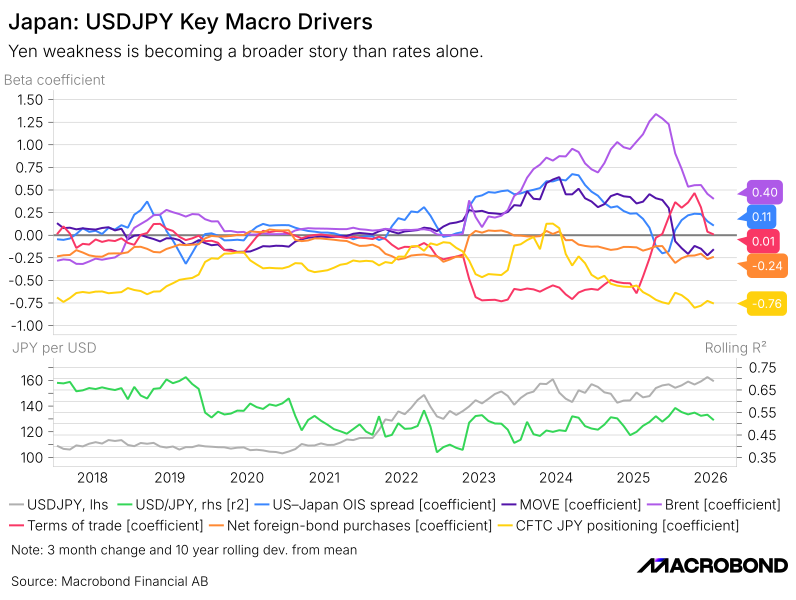
This edition of Macro Trends examines why the Japanese yen remains weak despite the Bank of Japan’s move towards policy normalization. The analysis looks beyond interest rate differentials to explore the role of carry demand, speculative positioning, energy exposure, FX intervention, and expectations for the eventual limits of BoJ tightening. It also considers the wider effects of a weaker yen across Japan’s economy and markets, from inbound tourism and import costs to equity performance—using macroeconomic and financial market data to assess the forces shaping the currency and the limits of monetary policy in reversing its trajectory.
.svg)
This edition of Macro Trends examines how the global AI buildout is reshaping the macroeconomic landscape, tracing the investment cycle from data centre construction and semiconductor trade to equity markets and corporate capital expenditure. The analysis explores how physical infrastructure investment is driving demand across global supply chains, influencing trade flows, and supporting one of the largest technology investment cycles in recent history. It also examines how these developments are being reflected in semiconductor valuations, technology sector risk premiums, and hyperscaler spending—using macroeconomic, trade, and financial market data to understand where AI is creating economic impact and how investors are pricing the opportunity.
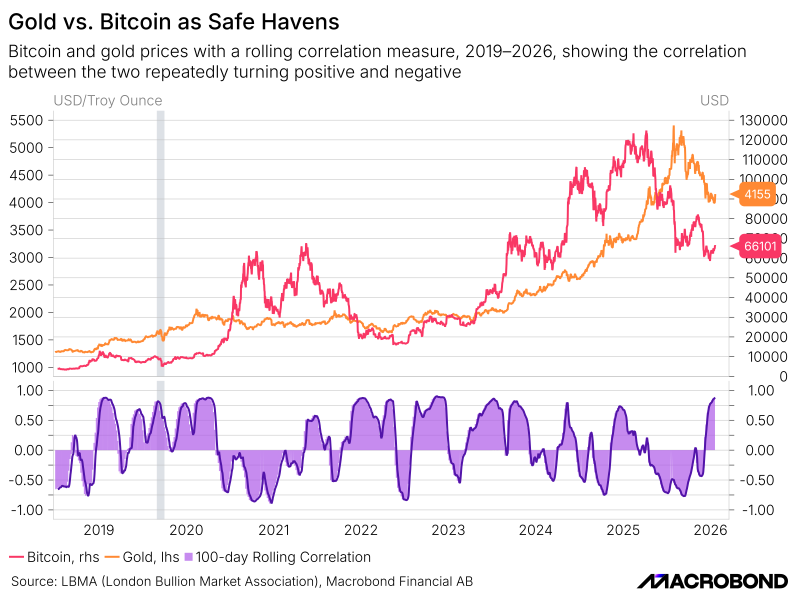
This edition of Macro Trends examines gold’s role as a safe-haven asset, tracing how its relationship with inflation, purchasing power, currencies, bonds, and other assets has evolved over time. The analysis explores gold’s repricing since the end of the gold standard, its performance against traditional safe havens and Bitcoin, and the potential impact of adding gold to a traditional 60/40 portfolio—using historical data to test where its diversification and store-of-value characteristics have held up across different market regimes.
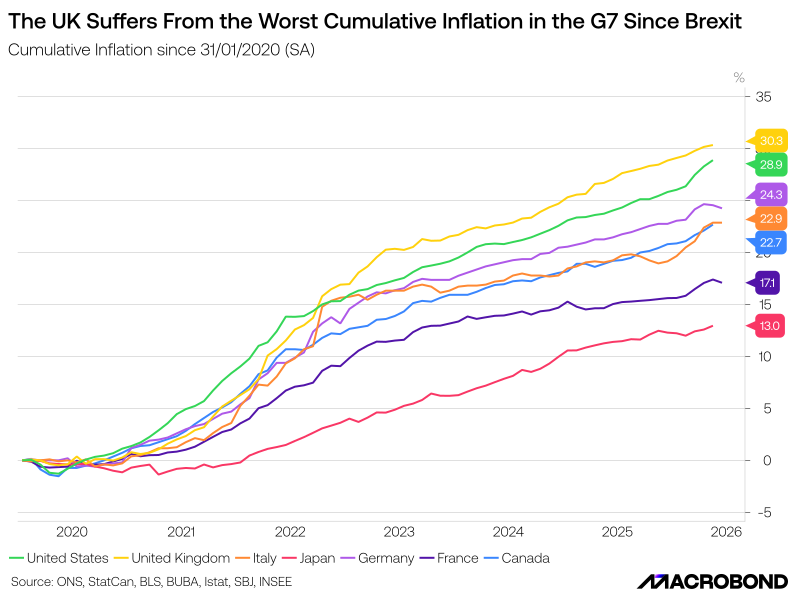
This edition of Macro Trends explores the economic legacy of Brexit a decade after the UK's referendum, examining how the country's departure from the European Union has reshaped inflation, industrial production, migration, financial markets, and long-term growth prospects. The analysis compares the UK's post-Brexit performance with G7 and European peers, highlighting both the economic headwinds associated with higher trade frictions and labor market changes, alongside signs of resilience in medium-term growth forecasts and the evolving outlook for the British economy.
