A bi-weekly look at the trends driving economies and investments worldwide.


Rates no longer tell the full story: Japan’s yield gap with the U.S. has narrowed and the BoJ has continued to normalize policy, yet the yen remains weak — pointing to a broader mix of carry, positioning, energy and policy forces.
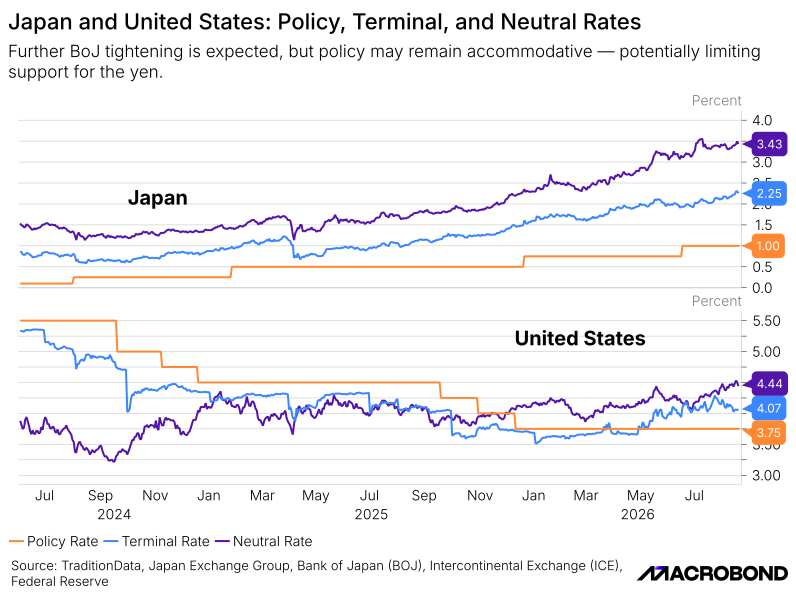
BoJ tightening may still be too cautious: Markets continue to price further hikes, but the expected terminal rate remains below neutral, suggesting policy could stay accommodative even after additional tightening.
Yen weakness creates clear winners: While depreciation raises import costs and purchasing-power pressures, it also supports inbound tourism and appears to provide a favorable backdrop for parts of the Japanese equity market.
Insights
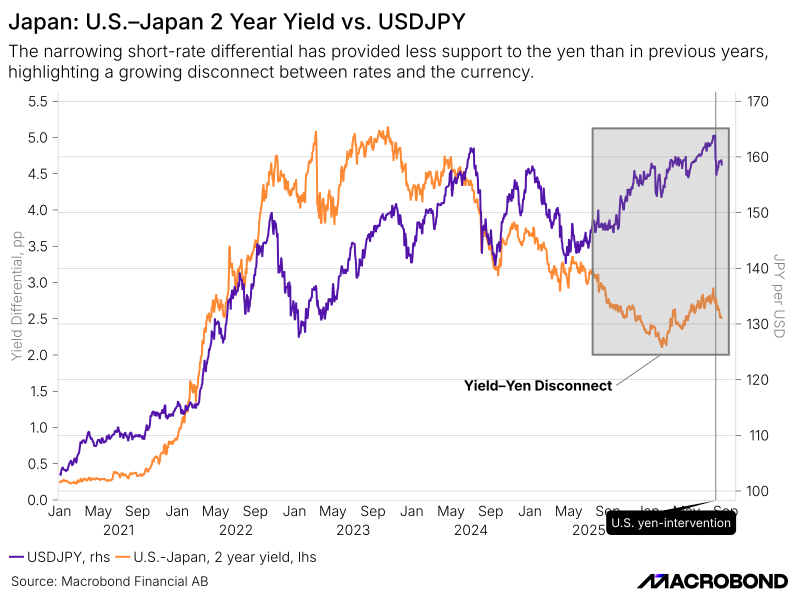
The U.S.–Japan 2-year yield gap has narrowed materially, yet the yen remains weak. The disconnect suggests that relative rates alone are no longer enough to explain yen performance.
Insights
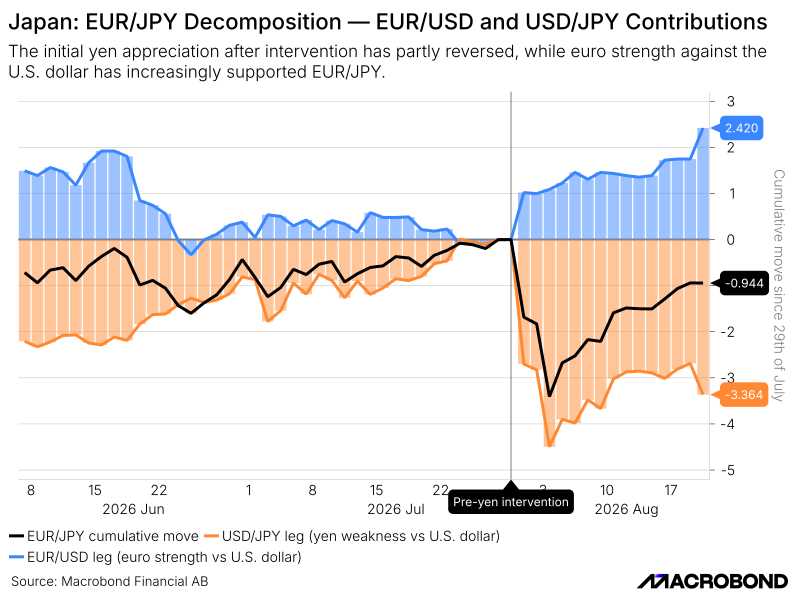
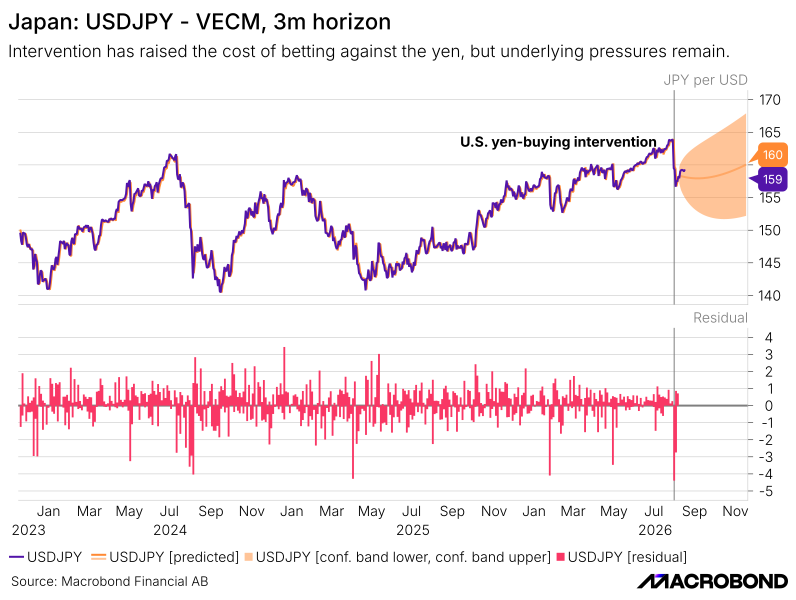
Japan intervened first, followed a day later by the U.S., which sold euros to buy yen. The initial yen appreciation has partly reversed, while euro strength has increasingly supported EUR/JPY.
Insights
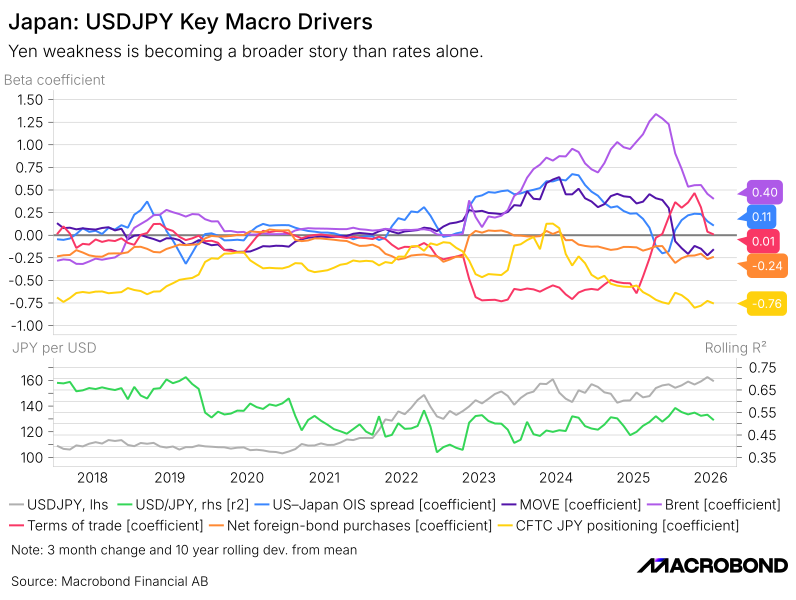
Yen weakness is becoming a broader macro story than rates alone. Energy, volatility and positioning appear increasingly important alongside the traditional rate differential.
Insights
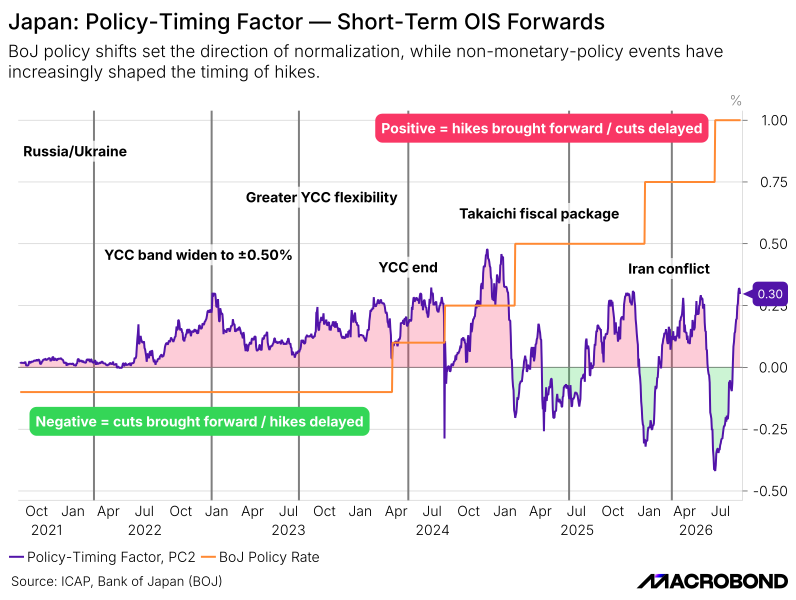
Markets still expect further BoJ tightening, but the timing of hikes has shifted repeatedly. The normalization cycle remains sensitive to inflation, energy andbroader macro uncertainty.
Insights
The BoJ may continue hiking, but the expected terminal rate remains below neutral. Policy could therefore remain relatively accommodative even after further tightening, potentially limiting support for the yen.
Insights
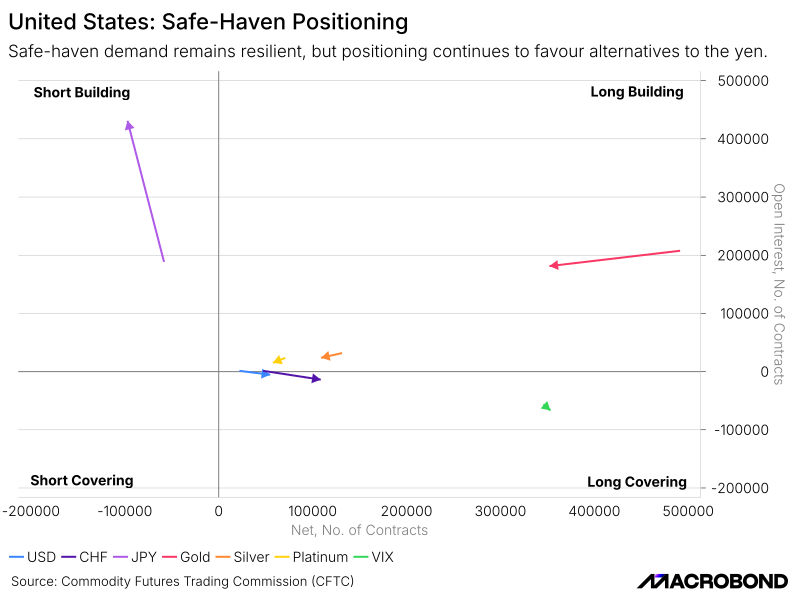
Positioning suggests investors remain comfortable using the yen as a funding currency despite BoJ tightening. Persistent short exposure indicates that carry incentives remain an important part of the market’s yen view.
Insights
Intervention has disrupted the yen’s weakening trend, but the model does not suggest a sustained reversal. Underlying depreciation pressures appear to remain, although forecast uncertainty is substantial.
Insights
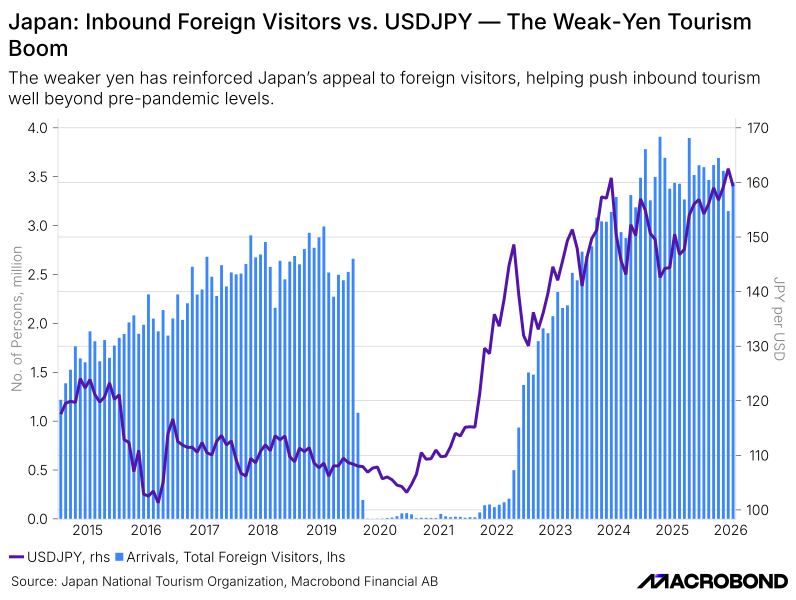
Yen weakness has helped reinforce Japan’s appeal to foreign visitors, with arrivals moving well beyond pre-pandemic levels. Tourism represents one of the clearest beneficiaries of the weaker currency.
Insights
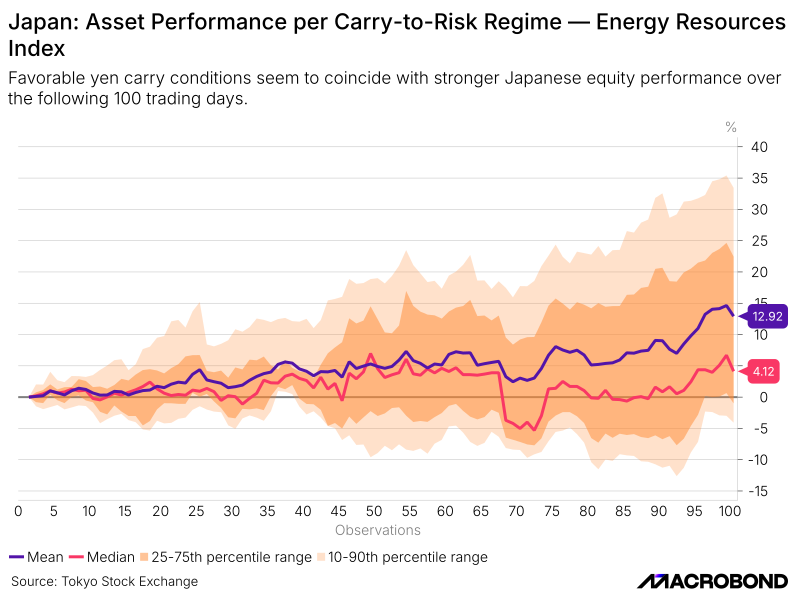
Favorable yen carry conditions have historically coincided with stronger subsequent Japanese equity performance. A weaker yen can provide a supportive backdrop for export-oriented industries.